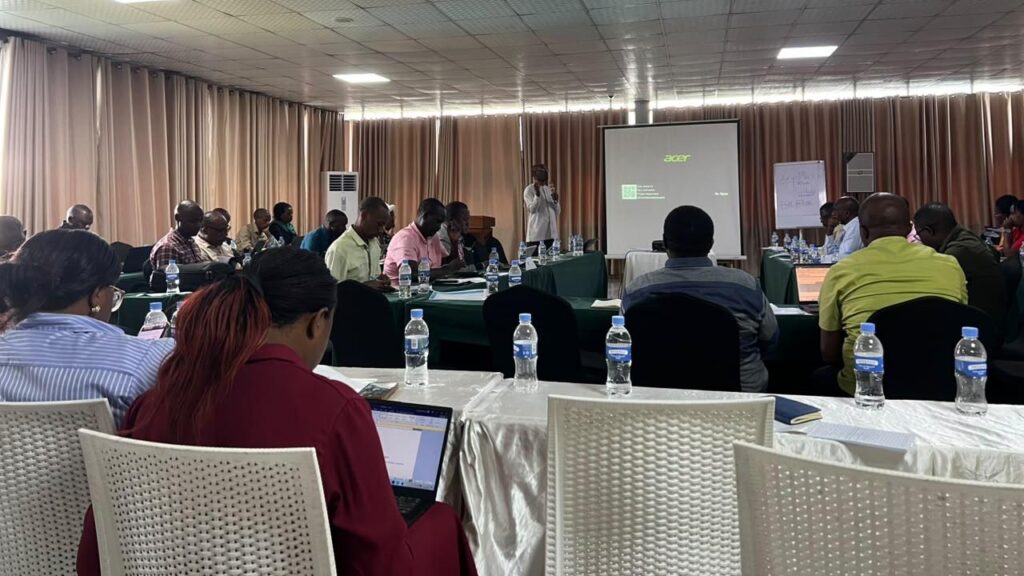
On 12 October 2026, ARECO-RWANDA NZIZA participated in a stakeholder engagement meeting organized by the Ministry of Local Government (MINALOC) and the Local Administrative Entities Development Agency (LODA), held at Fatima Hotel in Musanze. The meeting brought together local government representatives, private sector actors, and civil society organizations to explore practical ways to translate identified economic opportunities into actual jobs and strengthen employment tracking, a key priority in the Government of Rwanda’s development agenda.
ARECO-RWANDA NZIZA was represented by Mr. Jean Nepomuscene Bihoyiki and invited in recognition of the Kungahara Burera (KungaBu) Project, an EU-funded, three-year initiative launched in 2024 and jointly implemented by ARECO-RWANDA NZIZA and Burera District. The project sites are located in Butaro Sector, Burera District. The project aims to increase food production in Kamiranzovu Marshland while improving the livelihoods and resilience of local communities through agricultural development, irrigation, and income-generating activities.
The meeting was officially opened by Mr. Pascal Ngendahimana, Executive Secretary of the Northern Province. Discussions focused on identifying and addressing barriers that prevent potential employment opportunities from materializing, strengthening stakeholder coordination, and establishing effective mechanisms to connect beneficiaries of the Graduation Programme with available opportunities.
Across Rwanda’s 30 districts, more than 500 development initiatives have been identified, with an estimated potential to generate 181,577 jobs. However, this figure represents the anticipated employment potential of these initiatives, not jobs already created. The meeting therefore focused on identifying what needs to be done to unlock this potential, address implementation challenges, and ensure that identified opportunities translate into tangible employment outcomes for programme beneficiaries.
A key part of these efforts is the introduction of digital monitoring tools accessible through web-based platforms and mobile applications. These tools are intended to help stakeholders systematically record and track employment opportunities, jobs created, and beneficiaries reached. Reliable data will be essential for measuring progress, identifying gaps, strengthening accountability, and informing decisions on how to accelerate employment creation across the country.
For ARECO-RWANDA NZIZA, the meeting provided an opportunity to share experience from the KungaBu Project, strengthen partnerships, and explore how community-based development initiatives can contribute to national employment and economic inclusion priorities.
As the KungaBu Project enters its final months, it has already generated employment through its implementation activities, including four full-time project staff positions and hundreds of part-time and temporary work opportunities associated with construction and agricultural activities. Beyond the implementation period, the irrigation and post-harvest facilities developed under the project are expected to support continued agricultural production, create opportunities for related economic activities, and sustain livelihoods through their operation and maintenance. Ensuring that these benefits continue beyond project completion remains an important consideration for the project’s implementing partners and local communities.
ARECO-RWANDA NZIZA welcomes the collaborative efforts of MINALOC, LODA, local authorities, the private sector, and civil society to turn identified employment potential into measurable results. Through KungaBu and other community-based initiatives, the organization remains committed to promoting sustainable livelihoods, agricultural development, and inclusive economic opportunities that improve living conditions for local communities.